
Rising Tensions Over Microchips, Artificial Intelligence, and Technology Exports Are Creating Anxiety Across the EU
Europe is closely monitoring the growing conflict between the United States and China over advanced microchips, artificial intelligence, and global technology exports.
What began as a trade dispute has evolved into a far more serious geopolitical and technological confrontation — one that could reshape the future of the global economy.
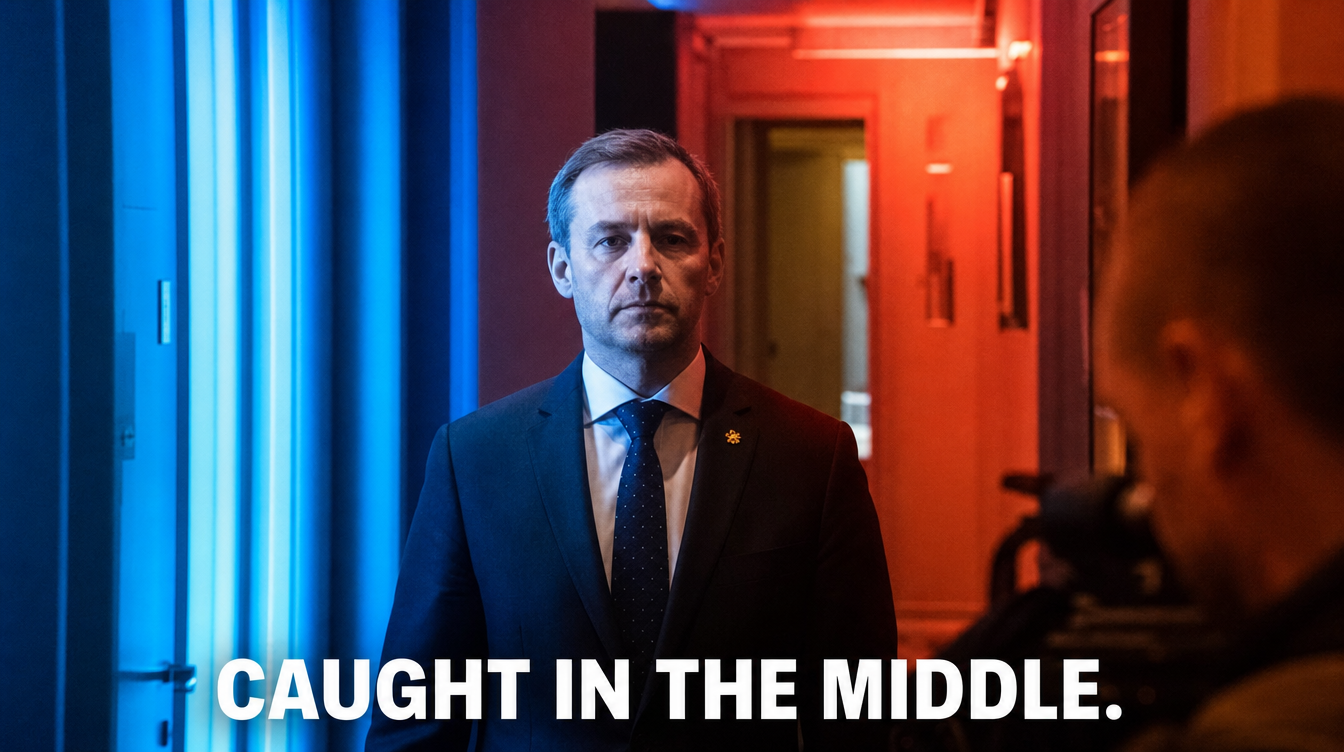
Now, many European officials, business leaders, and analysts fear that the European Union could find itself “caught in the middle” between the world’s two largest economic powers.
The Battle for Technological Dominance
Artificial intelligence and semiconductor technology have become some of the most strategically important industries in the modern world.
Advanced AI systems require powerful microchips capable of processing enormous amounts of data. These technologies now influence everything from financial markets and industrial automation to cybersecurity and military systems.
Because of this, both Washington and Beijing increasingly view technology leadership as a matter of national power and global influence.
The United States has introduced export restrictions aimed at limiting China’s access to advanced semiconductor technologies and AI-related systems. American officials argue that certain technologies could strengthen China’s military and strategic capabilities.
China, meanwhile, is rapidly investing in domestic chip manufacturing and artificial intelligence infrastructure in an effort to reduce dependence on foreign technology.
Why Europe Is Concerned
For the European Union, the situation is extremely delicate.
Europe maintains deep economic relationships with both the United States and China. European companies depend heavily on global supply chains connected to American technology firms, Asian semiconductor production, and Chinese manufacturing networks.
As tensions continue escalating, many fear the EU could face serious economic consequences regardless of which side gains the advantage.
European concerns include:
- Supply chain disruptions
- Higher technology costs
- Reduced access to advanced semiconductors
- Pressure on manufacturing industries
- Slower economic growth
- Increased geopolitical dependence
For many European businesses, the biggest fear is instability.
Microchips Have Become Strategic Assets
Semiconductors are no longer viewed as ordinary commercial products.
Today, advanced microchips are considered strategic assets connected directly to:
- Artificial intelligence
- Military systems
- Cybersecurity
- Industrial competitiveness
- National security
- Global economic influence
This is why the competition between the US and China has intensified so rapidly.
Some analysts now describe the conflict as a new kind of technological cold war — one centered not on ideology, but on control over the technologies that will shape the future global economy.
Europe Wants More Technological Independence
The growing rivalry has accelerated discussions inside Europe about “technological sovereignty.”
European leaders increasingly argue that the EU must reduce dependence on foreign technology suppliers and strengthen its own capabilities in key strategic industries.
Several EU governments are investing heavily in:
- Semiconductor manufacturing
- Artificial intelligence research
- Digital infrastructure
- Cybersecurity systems
- Satellite communication technologies
European officials worry that without stronger domestic innovation, the continent risks becoming overly dependent on either Washington or Beijing.
Businesses Are Closely Watching the Situation
European technology firms, automotive manufacturers, industrial companies, and investors are all monitoring the situation carefully.
Many industries across Europe rely on stable access to semiconductors and advanced technology systems. Any major disruption in global chip supply chains could affect production, investment, and economic growth across the continent.
Some executives fear that escalating geopolitical tensions may eventually force European companies to choose between American and Chinese technology ecosystems.
That possibility creates significant uncertainty for international businesses operating across global markets.
AI Is Changing Global Power Dynamics
Artificial intelligence is increasingly becoming one of the most important strategic industries in the world.
Governments now understand that leadership in AI could influence:
- Economic growth
- Military capabilities
- Financial systems
- Industrial innovation
- Information control
- Global political influence
As a result, the competition between the United States and China is no longer simply about trade.
It is becoming a broader struggle over who will shape the technological future of the 21st century.
Europe’s Difficult Balancing Act
The European Union now faces a difficult challenge.
The United States remains Europe’s closest political and security ally, while China continues to be one of the EU’s most important trading partners.
As the rivalry between Washington and Beijing intensifies, European leaders are attempting to protect economic stability while avoiding becoming trapped inside a larger geopolitical confrontation.
Whether Europe can successfully maintain that balance remains uncertain.
But one thing is becoming increasingly clear: the global battle over AI, microchips, and technology exports is no longer only affecting the US and China.
Its consequences are already reshaping Europe’s economic and technological future as well.
